





Blub Editorial Team
The Blub Editorial Team is the team behind Blub Kids’ science podcasts for children. We base our articles on WHO, AAP and other primary sources, and we check AI-assisted drafts against those sources before publishing. We don’t give medical advice.

How we write our guides
Our guides answer real questions parents search for. Research and first drafts are prepared with the help of AI tools; a person on our team checks every draft, adds real experience and signs it before it goes live.
Every figure links to a primary source such as the WHO, the American Academy of Pediatrics or official health and family ministries. We don’t give medical advice, and we say so when a question belongs with your pediatrician.
We make apps, so we have a stake in some topics. When a guide mentions a Blub app, we say that we make it.
Corrections
If you spot a mistake or an out-of-date figure, write to us. We check it against the source, fix the article and update its date.
Medical advice
Our articles are for general information. We don’t diagnose or give medical advice; when a question belongs with a pediatrician, we say so.
Contact
hello@blubkids.com · Bamu Tech
Articles by the team

My Child Snacks Instead of Eating Meals: How Can We Set a Routine?
A practical meal and snack routine for a child who grazes all day, with low-pressure responses, age adjustments, and signs that feeding needs individual help.

Cleaning Up Toys Becomes a Fight: How Can We Share the Task?
Make toy cleanup a shared, age-appropriate job with one clear starting task, a predictable stopping point, and a plan for when your child refuses.

Mornings Keep Turning Into Arguments: How Can We Simplify the Routine?
Simplify a child's morning routine with night-before preparation, a short visible sequence, clear choices, and a plan for the moments that still get stuck.

My Child Does Not Want to Stop Playing and Leave: What Helps?
Help a child stop playing and leave the house with a clear plan, a natural stopping point, one next step, and support when the switch is hard.

My Child Refuses to Get Dressed: How Can I Offer Choices?
When a young child refuses clothes, offer two suitable options, keep the dressing step small, and check whether discomfort or difficulty is behind the refusal.

My Child Refuses Homework: How Can We Build a Routine?
Find out what makes homework hard, agree on a manageable start time and first step, and know when to ask the teacher or pediatrician for help.

I Yelled at My Child: How Can I Repair the Relationship?
A practical way to apologize after yelling at your child, listen without demanding forgiveness, keep necessary limits, and plan for the next hard moment.

My Child Hits or Bites When Angry: How Should I Respond?
What to do when your child hits or bites: stop the harm, help everyone settle, teach a safer response, and know when to ask for help.

My Child Is Left Out of Games: How Can I Help?
What to say when your child is left out of a game, one small step for the next recess, tips by age, and when repeated exclusion needs an adult to step in.

My Child Cannot Focus at School: What Is the First Step?
Ask the teacher for specific examples, listen to your child, and try one small classroom support before deciding whether to seek an evaluation.

Is My Child Behind in Speech? When Should I Seek an Evaluation?
Notice speech and language concerns without comparing children word for word. Learn what to observe, when to ask for an evaluation, and what to do while you wait.

How to Build a Screen-Free Bedtime Routine (That Kids Actually Follow)
Screens off an hour before bed, then a 60-minute wind-down with steps by age, 10 calm activities and a printable chart. What to say to “one more show.”

How Much Screen Time Should a 4 Year Old Have?
How much screen time should a 4 year old have? WHO says no more than 1 hour a day; AAP's 2026 guidance focuses on quality. Plus a sample day and a plan.

My Child Is Very Shy: When Should I Seek Support?
Learn when a shy child may need support, how to make friendship steps manageable, and what to discuss with your child's teacher or pediatrician.

Does My Child Have Too Many Activities?
Review your child's activities, spot when the week leaves too little room to recover, and choose what to pause without making it feel like failure.

How Can I Tell if a Video Game Is Right for My Child?
Check a game's content, chat, purchases and stopping points, then try it together to decide whether it suits your child's age and everyday life.

Is It a Nightmare or a Night Terror? How Can I Tell?
Learn the clues that distinguish nightmares from night terrors in children, how to respond safely, and when to ask your child's doctor for help.

My Child Dislikes Team Sports: What Other Ways Can They Move?
Explore movement beyond team sports for ages 6–12, with practical alternatives, questions to ask before booking classes, and a simple family trial.

My Child Does Not Seem Athletic: How Can I Encourage Movement?
Your child hates sports? Start with movement they enjoy: two small choices, games built on their interests, tips by age, and when to ask the pediatrician.

My Child Does Not Want to Sleep Alone: What Can I Do?
Help a child who is afraid to sleep alone with a predictable bedtime plan, reassuring words, age-specific adjustments, and guidance on when to seek help.

My Child Has Accidents After Toilet Training: When Should I Call the Doctor?
New potty training accidents? Learn when to call the doctor, which symptoms need urgent care, and how to support your child without blame.

My Child Has Trouble Making Friends: How Can I Help?
Help your child build friendships without pressure: listen first, plan small shared activities, practice useful words, and know when to ask for support.
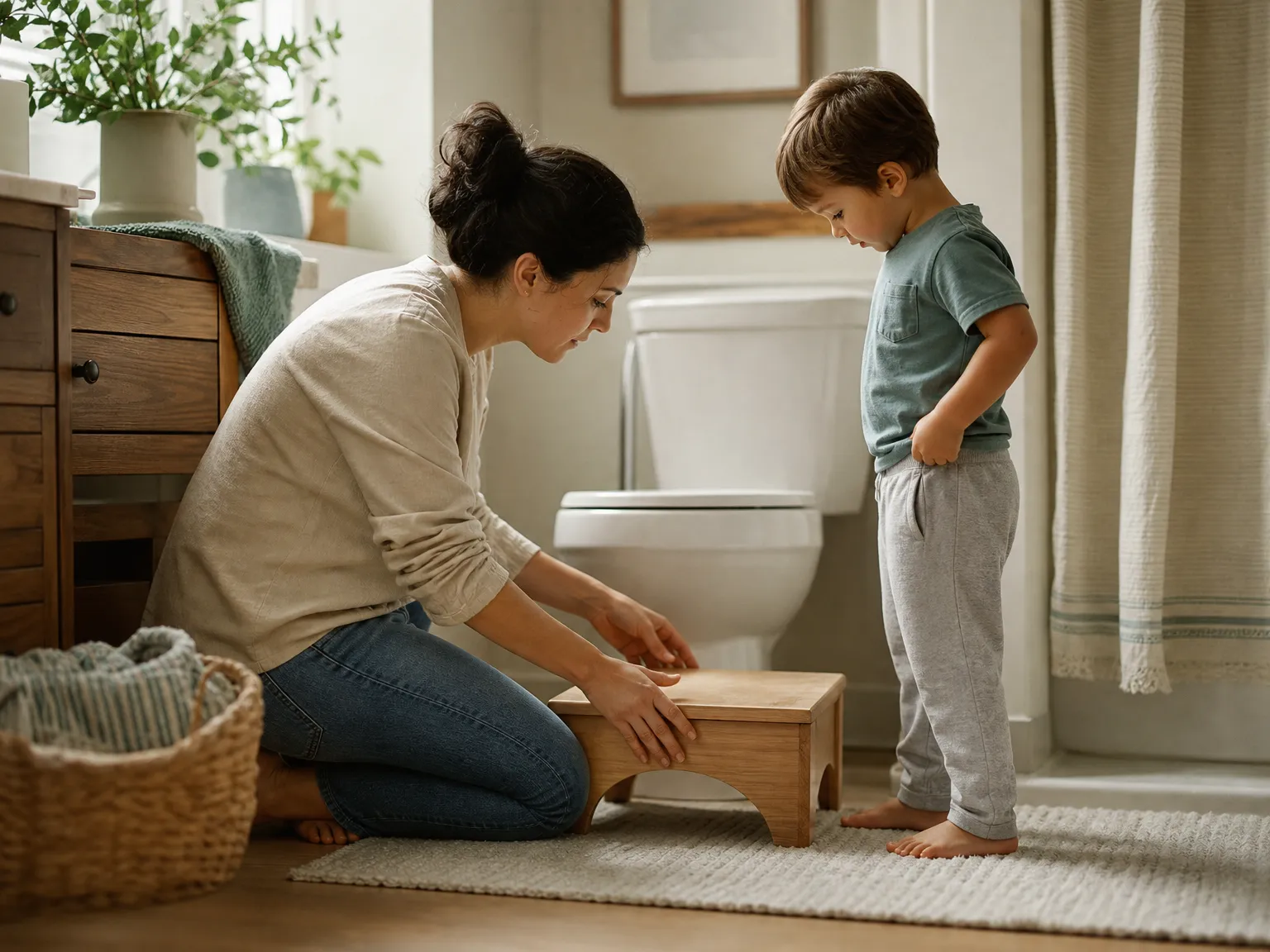
My Child Is Constipated or Holds In Poop: What Should I Watch?
Watch for hard or painful poop, toilet avoidance and new underwear stains, not just days between poops. Gentle toilet routines and when to call the doctor.

My Child Keeps Asking for My Phone at Meals: What Can I Do?
Set a shared phone rule for meals and family time, respond to repeated requests, and adapt the plan for ages 3–8 without turning dinner into a battle.

My Child Refuses to Go to School: How Do I Find Out Why?
Find clues behind school refusal, ask questions without pressure, and work with teachers and your child's doctor on a safe, supported return.

My Child Snores at Night: When Should I Ask for an Evaluation?
Learn when child snoring needs a medical evaluation, which breathing signs need urgent help, and what to note before your child's appointment.

My Child Wants to Quit a Sport: Should I Insist?
Listen first, then decide together whether to try a change, take a break, or leave. A practical guide to sports frustration, age fit, and safety.

My Older Child Is Jealous of the New Baby: What Can I Do?
Make room for sibling jealousy with small moments of individual attention, realistic plans for baby feeds, age-aware responses and clear safety limits.

What Should My Child Do if a Stranger Contacts Them Online?
Help your child stop unwanted online contact, tell a trusted adult, and get support. Practical scripts, privacy checks and next steps for parents.

When Does Bedwetting Need an Evaluation?
Learn when bedwetting needs a routine appointment or urgent care, what to track, and how to support your child without blame or pressure.

Why Doesn’t My Child Stop When I Say No?
A practical way to set everyday limits with a young child: separate safety from preference, give one clear direction, offer acceptable choices and follow through calmly.

My Child Refuses Vegetables. What Can I Do?
A calmer plan for a child who refuses vegetables: offer small portions without pressure, keep a familiar food on the table, invite participation and know when to seek help.

My Child Wakes Up Often at Night. What Should I Do?
For parents of 3–8-year-olds: notice the pattern, respond calmly at night, distinguish fears from night terrors, and know when to ask a doctor.

Three Small Letter Games for Beginning Readers
Try sounds, syllables, and a familiar word together without turning reading practice into a long worksheet.

From One Episode to One Conversation
A simple way to revisit a story with your child: one open question, a guess, and a few minutes together.

Make Up a Short Story Together
Start with a character, a place, and one small surprise to create a story with your child.

My Child Has Frequent Stomach Pain: When Should I Seek Help?
Know when recurring tummy aches need a doctor's appointment, which warning signs need urgent care, and what to note before your child's visit.

My Child Says They Are Being Bullied: What Should I Do First?
Start with calm listening, check your child's safety, and make a practical plan with school. Includes sample words, age adaptations, and when to seek help.

My Child Worries All the Time: When Should I Seek Help?
When worry disrupts sleep, school, or play, ask for support. Learn what to notice, what to say, and how to prepare for an appointment.

My Kids Keep Fighting: When Should I Step In?
A practical guide to knowing when to let siblings work out a disagreement, when to step in, what to say, and when to seek support.

How Do I Tell My Child a New Sibling Is Coming?
An age-aware guide to telling a 2–10-year-old about a new baby, preparing for birth, making space for mixed feelings, and protecting one-on-one time.
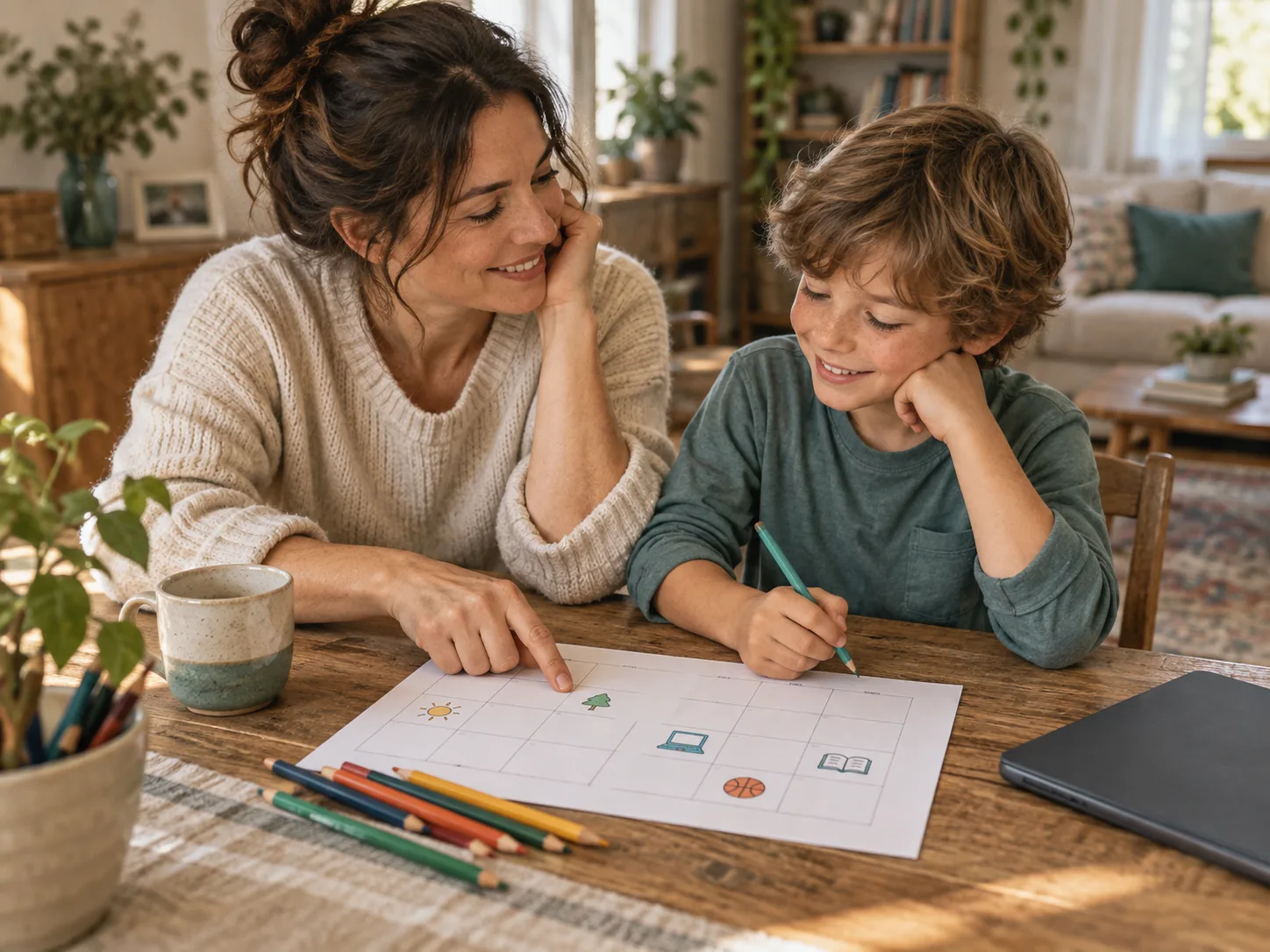
How Much Screen Time Should Children Have by Age?
An age-by-age guide to the WHO's under-five screen-time limits and the AAP's family media plan, with practical steps for home.

My Child Melts Down When Screen Time Ends. What Can I Do?
A practical plan for the moment a child must put a screen away: prepare the ending, respond calmly, keep the limit and review what made the switch hard.