





My Child Has Trouble Making Friends: How Can I Help?
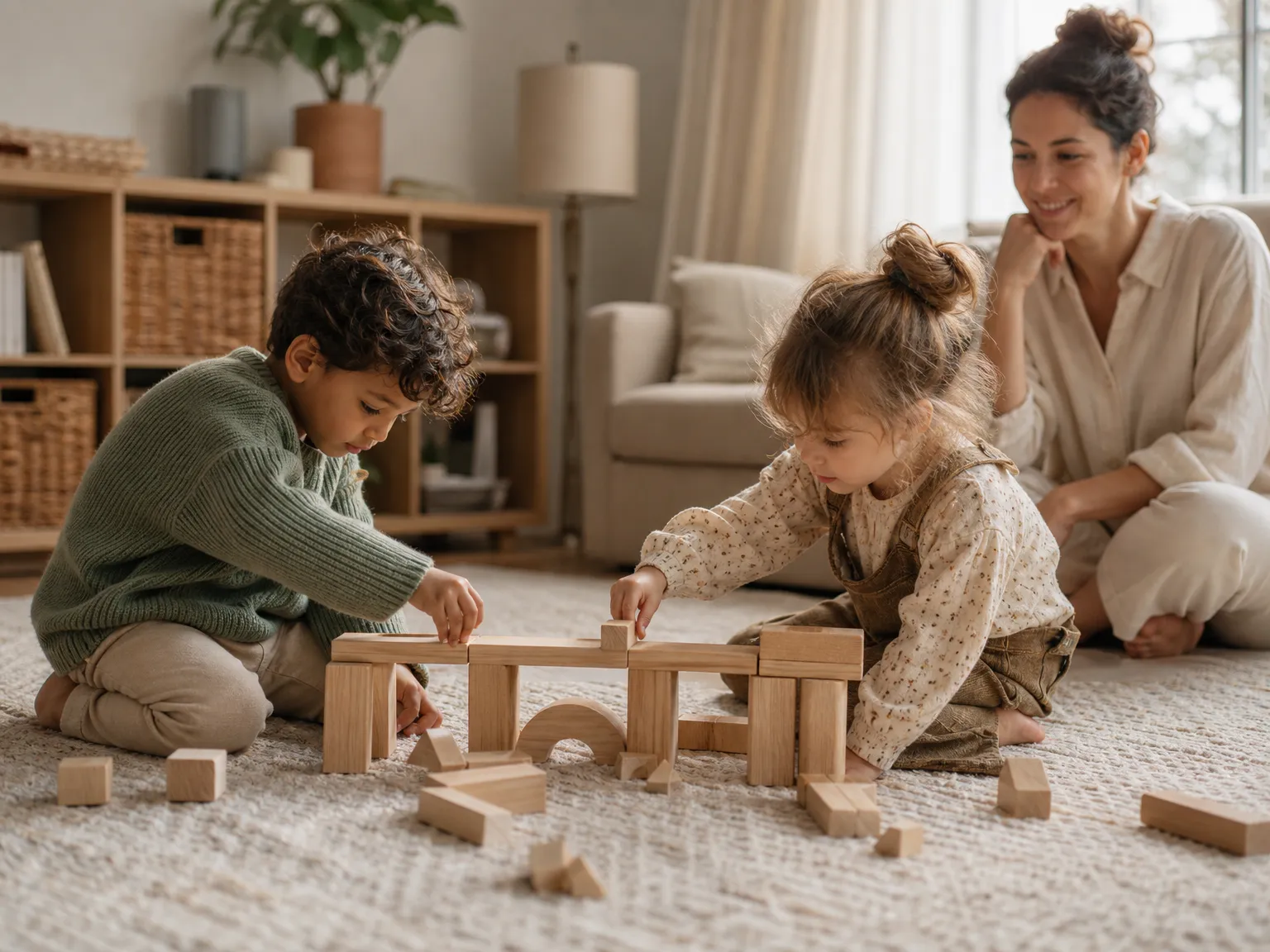
Short answer: Start by finding out whether your child feels lonely, wants help joining in, or is comfortable spending some time alone. Offer one manageable opportunity with a child who shares an interest, and help your child prepare without making friendship a test. If exclusion, fear, or distress keeps getting in the way, involve the school and seek professional support when needed.
This guide is for parents of preschool and primary-school children, roughly ages 3–10. If you are thinking, “My child has no friends,” the most useful next question is: “What is happening for my child, and what would they like to change?” You can make room for connection without requiring a best friend or a certain number of playdates.
Find out what “no friends” means today
A child might say “Nobody likes me” after a difficult break time, describe repeated exclusion, or struggle to name someone they feel close to. Start with their experience rather than correcting their words or immediately arranging a meetup.
Try talking while drawing or walking together:
- “Was there a moment today when you wanted someone to play with?”
- “What happened when you tried to join?”
- “Would you like me to listen, or help you think of something to try?”
For a younger child, use a concrete choice: “Were you happy playing with the cars, or did you want someone to play too?” Avoid turning every school pickup into a friendship interview.
Nemours KidsHealth describes loneliness as feeling separate from others when you want closeness or inclusion. That distinction matters: seeing your child alone does not tell you how they feel. Keep ordinary time together available, whether or not they want to discuss friends; Nemours also recommends daily parent–child connection.
If your child mentions repeated unkindness, threats, or being deliberately kept out, tell them you will help. Do not make becoming more outgoing the solution to someone else’s harmful behavior.
Choose one small opportunity together
The first goal can be a comfortable shared moment. It does not have to be a friendship invitation announced to the whole class.
Ask whether there is someone your child likes being near: a classmate who draws, a neighbor who enjoys building, or another child at a familiar activity. If they cannot name anyone, privately ask their teacher who shares their interests and when joining in seems easiest.
You could say: “Maya likes making things too. Would you like to build with her here, meet at the park, or leave it for now?” Check that the other child also wants to take part.
Alder Hey Children’s Hospital’s friendship guidance recommends familiarizing children with places where peers gather and using activities that involve working together. Its speech and language therapy leaflet offers general support ideas, rather than a promise that a particular game will produce a friend.
Choose an activity your child already enjoys. A complicated new game can wait. There is no need to buy special materials or fill the week with clubs.
A simple plan for the first shared activity
Here is one way to put that advice into practice. Adapt the length to both children’s comfort and agree on an ending in advance.
- Prepare together. Offer two choices, such as building a bridge with blocks or drawing an imaginary playground. Put treasured toys your child does not want to share away beforehand. Explain who is coming, where you will be, and what happens afterward.
- Give the activity an easy starting point. Set out blocks and a toy vehicle: “Could we make a bridge this can travel under?” Leave room for both children’s ideas instead of assigning one child to lead.
- Help with the first exchange. If your child wants support, offer a phrase: “Would you like the long blocks?” Then give the children time to respond. You do not need to narrate every move.
- Stay available. If they get stuck, name the practical problem: “You both want that piece. Shall we take turns or find another way to build it?” Step in promptly if anyone is being hurt.
- Finish without a friendship verdict. Later, ask “Was there a part you liked?” and “Would you change anything next time?” Avoid asking whether they are best friends now.
This plan draws on Alder Hey’s suggestions for shared building, advance preparation, and adult support when play needs help getting started. The American Academy of Pediatrics (AAP) also recommends being available during preschool play to coach sharing and handling conflict without hurting others.
Practice a useful sentence, not a performance
At home, invite your child to rehearse one situation with you or with toys. Alder Hey suggests pictures, short stories, and reminders of things a child might want to say. Offer practice as a choice; stop if it feels like another demand.
For example:
Child: “They already started the game.”
Parent: “It’s hard to know how to join. Want to try a sentence with me?”
Child: “Okay.”
Parent: “You could ask, ‘Can I play the next round?’ I’ll pretend I’m playing.”
Also practice what happens if the answer is no: “Okay, I’ll find something else.” Then discuss another available activity or an adult they can approach. Your child can invite connection; they cannot control another child’s response.
If an argument interrupts play, model a repair: “I was upset when the tower fell. Can we build it again?” The AAP’s school-age guidance emphasizes helping children identify feelings and consider the other person’s perspective before acting. That does not mean asking your child to accept repeated cruelty to preserve a friendship.
Adjust the support to your child’s age and needs
For preschoolers, roughly 3–5: Keep preparation concrete. Show the toys, explain the visit in a few steps, and stay close enough to help. Allow time to watch before joining. The AAP specifically describes parents helping shy preschoolers warm up to interactions and helping more outgoing children make space for quieter peers.
For primary-school children, roughly 6–10: Ask privately what kind of help would feel comfortable. They might welcome a shared activity but dislike a parent approaching classmates in front of them. Agree on any teacher conversation where possible, and ask for observations about specific moments, such as lunch or choosing partners.
If conversation is difficult: Offer a picture, gesture, or shared task instead of requiring a polished introduction. Alder Hey’s communication supports can provide starting ideas. Adapt them with professionals who already know your child when relevant. Friendship should not depend on performing a particular greeting or hiding a need for quiet.
These age bands organize the suggestions; they are not deadlines for making friends.
If your child says “Leave it”
Respect a refusal of today’s plan. You could say: “Okay, we won’t arrange that visit. If you want help another time, I’m here.” Offer an easier option later, such as visiting a familiar play space together with no requirement to approach anyone.
If your child does not want to talk, avoid repeated questioning. You can still ask the teacher for factual observations: “When is my child alone? Do they seem content? What happens when they approach others?” Share any concerns with your child calmly rather than presenting a surprise social plan.
For repeated exclusion or bullying, contact the school and agree on adult action and a follow-up. A child should not have to earn safety by practicing social skills.
When to ask for more help
Arrange a conversation with your child’s pediatrician, GP, or a qualified child mental health professional if worry persists, worsens, or disrupts school, family life, or friendships. The NHS guidance on anxiety in children recommends seeking help in these circumstances, especially when self-help is not working.
Mention changes such as sleep problems, frequent tummy aches, or persistent worry. The NHS lists these among possible anxiety signs, but they do not establish a diagnosis; a clinician can assess what is happening. You do not need to wait for your child to agree to a playdate before asking for advice yourself.
For today, choose a modest next step: listen to one concern, offer one manageable option, and leave room for your child’s answer. Your role is to help connection feel possible and safe, without making your child responsible for producing a friendship on schedule.
Sources
- American Academy of Pediatrics: What Parents Can Do to Support Friendships — preschool play support and school-age coaching around feelings and conflict.
- Nemours KidsHealth: How Can Social Connection Help Kids & Teens Feel Less Lonely? — understanding loneliness and maintaining everyday connection with parents.
- Alder Hey Children’s Hospital: Helping Your Child Make Friendships — preparing for social situations, communication reminders, and shared activities.
- NHS: Anxiety Disorders in Children — possible anxiety signs and when to seek professional support.

Blub Editorial Team
The Blub Editorial Team is the team behind Blub Kids’ science podcasts for children. We base our articles on WHO, AAP and other primary sources, and we check AI-assisted drafts against those sources before publishing. We don’t give medical advice.
How we write our guides →

