





My Child Is Left Out of Games: How Can I Help?
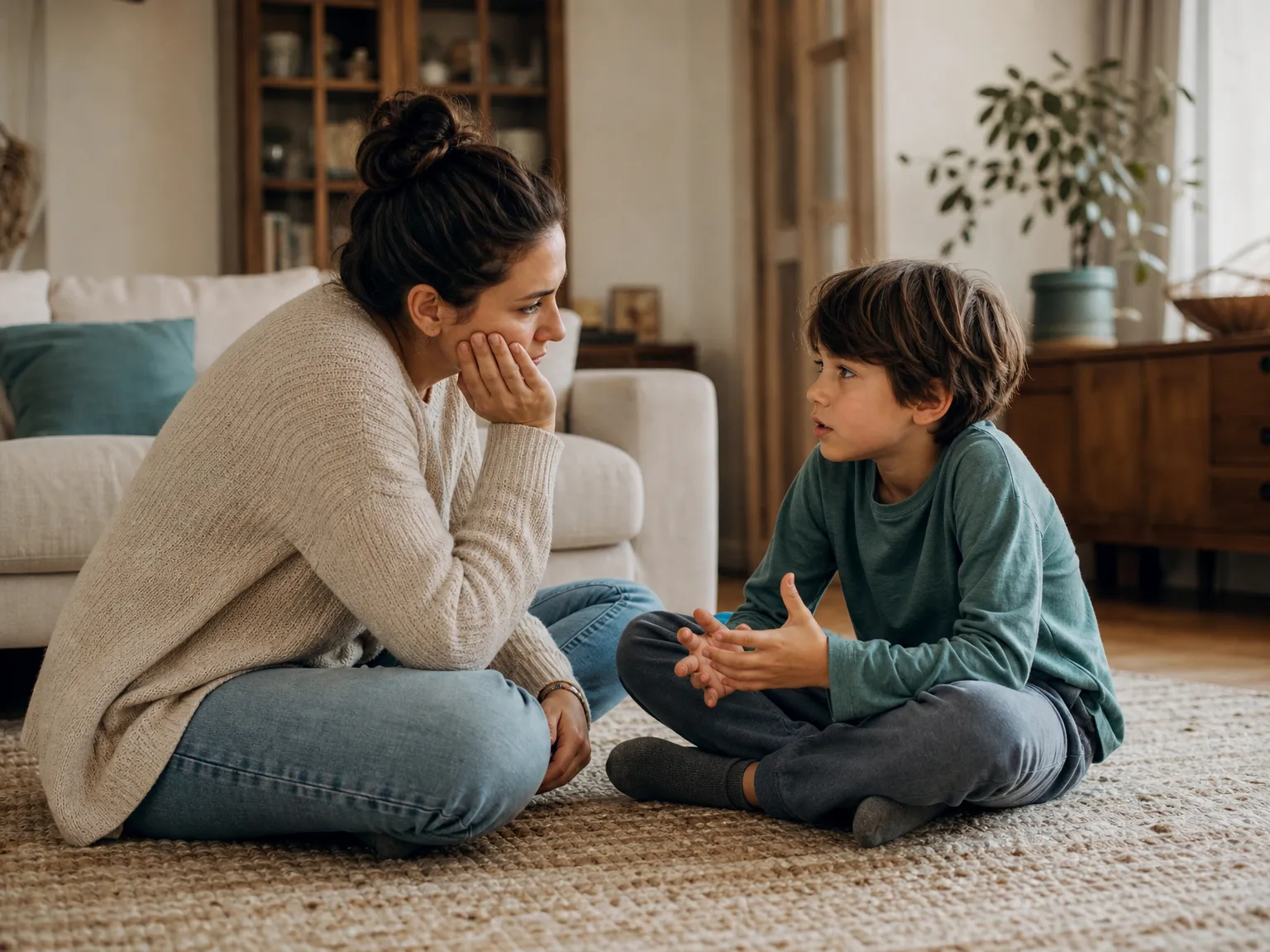
Short answer: Listen to what happened and how your child felt before suggesting a solution. Help them choose one small next step, such as asking about the next round or finding another child to play with, but do not make them responsible for fixing repeated exclusion. If the same group keeps shutting them out, or the situation includes humiliation, threats, or fear, involve the supervising adult and agree on a plan.
This guide is for parents of children roughly ages 3–12 who say they were not allowed into a game at preschool, school, a playground, or a club. Being told “not this round” once can hurt; being regularly singled out calls for a different response. You do not have to decide whether to call it bullying before you take your child’s experience seriously.
Find out what happened without turning it into an interview
Choose a quiet moment, perhaps while walking home or doing something together. Start with: “That sounds painful. Tell me about the game.” Then ask one or two concrete questions:
- “Did they say the game was already full, or that you could not play?”
- “Has this happened with the same children before?”
- “Did anyone help, or was an adult nearby?”
- “What would you like to happen next time?”
A child may not remember the exact words. Accept what they know and leave room for later details. Avoid saying “Just find nicer friends” or “You must have done something.” Those guesses can make it harder for your child to tell you more. The American Academy of Pediatrics (AAP) advises listening without judgment when a child reports mistreatment, because children may feel embarrassed or reluctant to talk.
Notice the difference between a game with a genuine limit and a pattern of targeting. Children can choose whom to play with, and a game may already have teams. But repeated “everyone except you,” name-calling, or peers recruiting others to exclude one child deserves adult attention. The AAP describes deliberate social isolation and leaving a child out of activities as possible social bullying. A single refusal does not establish bullying; the pattern, conduct, and safety matter.
Make a plan for the next playtime
Keep the plan short enough to remember at recess. Ask your child which option feels possible, then practice it once if they want to. These are choices, not a test they have to pass to deserve help.
- Choose an opening. If the game seems full, your child might ask, “Can I join the next round?” If the rules are unclear, they might ask, “What are you playing?” A child can also invite one peer to start a different game.
- Choose a response if the answer is no. “Okay, I’ll ask someone else” is enough. Your child does not have to argue, beg, or keep returning to a group that is unkind.
- Choose an adult. Agree on the teacher, playground supervisor, coach, or other named adult your child can approach: “I keep getting left out. Can you help me find a game?” For a younger child, ask that adult to notice the next play period rather than waiting for the child to report it perfectly.
- Check back on what happened. After the next opportunity, ask “Was there a moment you felt included?” and “Was there a moment you needed help?” Adjust the plan together. Success is not getting into one particular group; it is having safe ways to connect and adults who respond.
This plan adapts the AAP’s advice to be available during early play, coach sharing and conflict, and help school-age children name feelings. It does not guarantee an invitation. Peers have their own choices, while adults remain responsible for addressing harmful behavior.
Here is what a brief rehearsal could sound like:
Child: “They’ll just say no again.”
Parent: “They might. You could ask once about the next round. If they shut you out again, what would you rather do?”
Child: “Ask Maya to draw with me.”
Parent: “That sounds like a plan. If they make fun of you or tell Maya not to play with you, let’s tell Ms. Lee. I’ll speak with her too.”
Your child’s alternative should be something they actually enjoy. An adult might help arrange a shared activity or make space in group play; your child should not have to win over a group that keeps targeting them. For broader ideas on making connections outside this one game, see our guide to helping a child who has trouble making friends.
Adapt the help to your child’s age
Preschool, roughly ages 3–5: Play rules and turns may still need adult explanation. Stay close enough to help children begin and settle a dispute. Try a concrete prompt: “They’re building now. Let’s ask whether there’s room for one more block builder.” The AAP recommends adult presence and gentle coaching during preschool play. If exclusion continues at preschool, speak directly with the educator rather than expecting your child to negotiate it alone.
Primary school, roughly ages 6–9: Ask where it happens: selecting teams, lining up, or after a game starts. A specific moment gives the supervisor something to observe. Let your child choose a sentence to practice, and offer a backup activity or peer. Do not require a confident speech in front of the group.
Older children, roughly ages 10–12: Ask how they want you to involve staff so they do not feel surprised in front of peers. Give them input on wording and timing, while being clear that adults will act if there is a safety concern. Group chats or game platforms may be part of the exclusion too; ask where it happens before deciding whom to contact.
These age bands are practical examples, not deadlines for social skills. If speaking under pressure is difficult for your child, an agreed signal, a note, or approaching an adult together can work better than rehearsed words.
When the exclusion keeps happening
If the same children repeatedly keep your child out, especially with insults, threats, coercion, or efforts to turn other children against them, tell the responsible adult what your child reported. Include the game, place, approximate dates, and what happened when your child tried to join. Ask what staff have observed and what they can do at the next play period. You can say:
“My child says they were told three times this week that everyone except them could play at recess. They are dreading the next break. Could someone observe that area, help them access a safe activity, and let us know when we can check whether the plan is working?”
At school, ask who your child can go to during the break and when you will review the response. At a club, speak with the leader responsible for that activity. UNICEF advises working with teachers, school leaders, and counselors when bullying is suspected, and letting the school take responsibility for its response. A parent can ask for concrete supervision and follow-up without demanding that another child become a friend.
If your child describes physical harm, threats, or fear of being unsafe at the next session, contact the responsible adults promptly and make a safety plan before that exposure. For a fuller school reporting plan, see our guide to what to do when a child says they are being bullied.
If your child will not talk or try the plan
Say, “We don’t have to solve this tonight. I’m here when you want to tell me more.” Offer a drawing, a walk, or another trusted adult if speaking face to face feels too hard. You can still ask a teacher for factual observations: when your child is alone, whether they seem content, and what happens when they approach the game. Tell your child about that contact in a calm, age-appropriate way. If you already know they are being threatened or repeatedly targeted, do not wait for them to agree to a rehearsal before seeking adult help.
When to seek professional help
Ask your child’s pediatrician, GP, or a qualified child mental health professional for advice if distress persists, worsens, or begins to affect school, sleep, family life, or friendships. The NHS recommends professional help when anxiety is ongoing, worsening, or interfering with daily life. The AAP lists school avoidance, sleep changes, withdrawal, headaches, and stomachaches among possible signs of bullying-related distress; these signs can have other causes, so describe what you have noticed rather than diagnosing the cause yourself. Talk of self-harm or suicide needs prompt professional attention; seek emergency help if your child is in immediate danger.
For today, listen to one account, choose one possible next step with your child, and identify the adult who can help if the game remains closed to them. Keep checking whether the adults’ response makes play safer; your child should not have to earn inclusion by tolerating cruelty.
Sources
- American Academy of Pediatrics: What Parents Can Do to Support Friendships — age-specific adult support during play and coaching around feelings and conflict.
- American Academy of Pediatrics: Why Bullying Hurts All Children—and What Parents Can Do About It — social exclusion as a possible bullying pattern, listening, and possible signs of distress.
- UNICEF Parenting: How to talk to your child’s school about bullying — school responsibility and collaboration with staff.
- NHS: Anxiety disorders in children — when persistent anxiety warrants professional support.

Blub Editorial Team
The Blub Editorial Team is the team behind Blub Kids’ science podcasts for children. We base our articles on WHO, AAP and other primary sources, and we check AI-assisted drafts against those sources before publishing. We don’t give medical advice.
How we write our guides →

