





My Child Dislikes Team Sports: What Other Ways Can They Move?
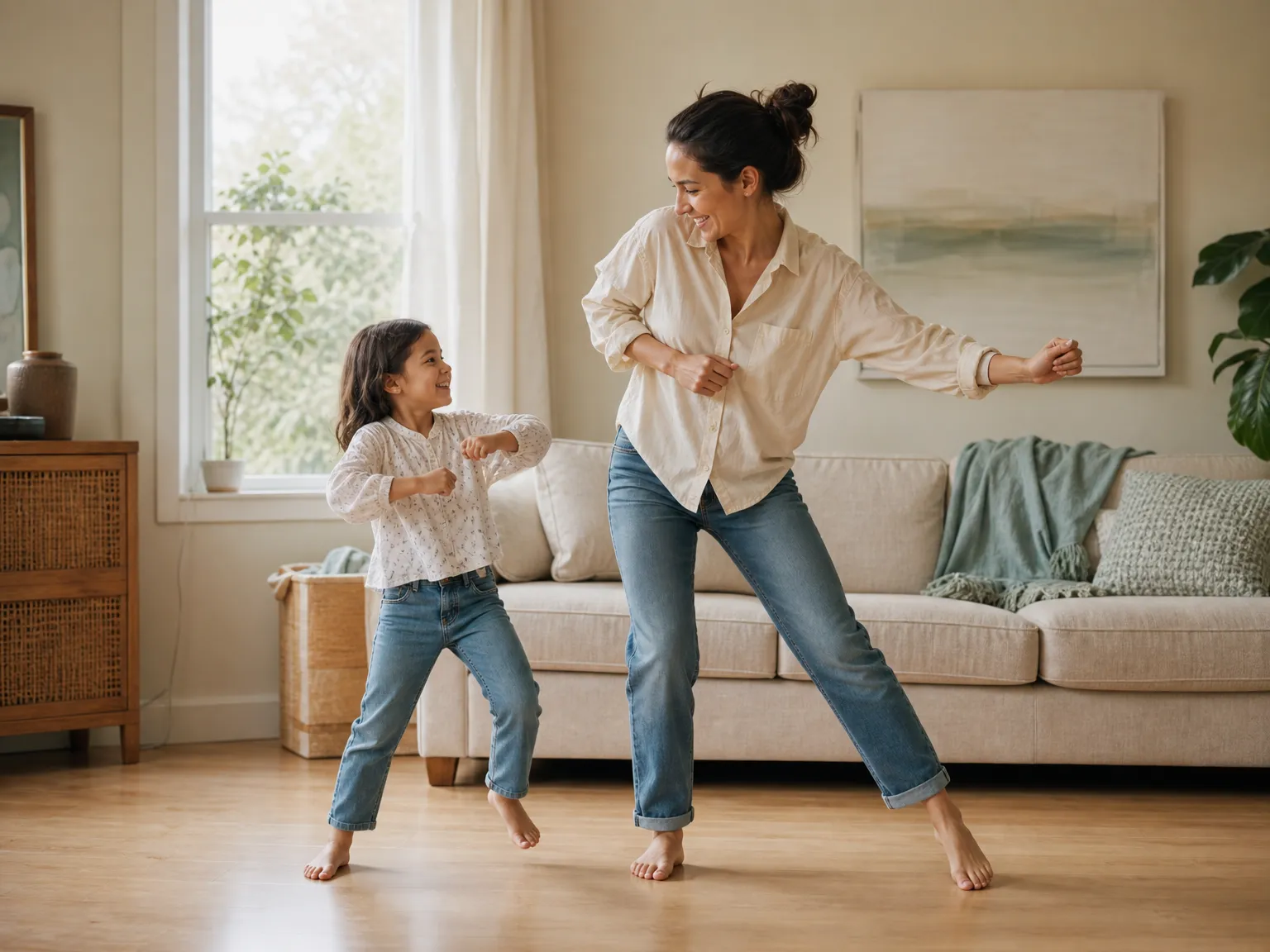
Short answer: Your child can be active through dancing, walking, cycling, swimming, playground games, or an individual sport without joining a team. Find out which part of team sports they dislike, then offer alternatives that change that part of the experience. Start with an easy family trial before committing to lessons, and seek medical advice if movement causes pain or a health condition requires adaptations.
This guide is for parents of children aged 6–12 who want to replace team practice with something their child will actually choose to do. Perhaps soccer ends in arguments, or your child enjoys moving until someone starts keeping score. The aim is to find a workable place for movement in everyday life.
The American Academy of Pediatrics (AAP) explicitly includes walking, dancing, bicycling, swimming, and active hobbies as options for people who dislike sports. A team membership is one possible route to activity, not a requirement.
Choose an alternative that removes the problem
Ask about the last session when you are both calm: “If you could change one thing about practice, what would it be?” Listen before suggesting a replacement. A child who dislikes being blamed for a missed goal may still enjoy kicking a ball with you. A child who dislikes ball games altogether needs a different invitation.
Use their answer to choose your first experiment:
| What your child says | An option to explore | What to check |
|---|---|---|
| “Everyone gets cross when we lose.” | Family walks, recreational cycling, or dancing at home | Keep results and comparisons out of the trial. |
| “I hardly get a turn.” | Swimming lessons or an individual skill lesson | Ask how much time each child spends participating rather than waiting. |
| “I don’t like balls coming at me.” | Dance, walking, or beginner martial arts | Ask whether the actual session includes contact or sparring. |
| “I want to be with one friend.” | A playground visit or a walk with that friend | Choose company they enjoy, without organizing a new team. |
| “I don’t want another lesson.” | Free play, gardening, or an after-dinner walk | Leave room for the child to choose what happens. |
These are possible matches, not diagnoses. If your child describes teasing, exclusion, or harsh treatment, address that with the responsible adult. Replacing the activity does not resolve mistreatment by itself.
Pick from three kinds of movement
Everyday activity: Walking to a nearby destination, helping in the garden, and playing outside can fit into time you already spend together. The AAP suggests building activity into daily routines and considering active hobbies. This is useful when transport, cost, or a crowded schedule makes another class unrealistic. Choose a safe route or setting you can supervise appropriately.
Play without a program: Try dancing to a favorite song, tag in a suitable open space, or playground play. At home, clear a nonslip floor and take turns inventing dance steps the other person can copy. No special equipment or scoring is needed. For outdoor games, agree on boundaries before starting and choose a space away from traffic.
Individual sports or lessons: Swimming, dance, tennis, and martial arts may appeal to a child who dislikes team play. Nemours KidsHealth lists individual sports alongside informal alternatives such as walking, cycling, and catch. An individual sport can still involve competitions, exams, performances, or a busy group lesson, so look at how the program actually runs.
You do not have to choose just one category. A child might enjoy a weekend swim, a walk with a friend, and dancing at home while wanting no weekly sports commitment.
Try a replacement before buying a whole term
Here is a suggested family experiment for the coming week. The short sessions are a way to explore preferences, not a daily exercise prescription.
- Offer two affordable, available choices. For example: “Would you like to try a walk where you choose the route, or dancing together at home?” Avoid offering an option you cannot realistically arrange.
- Agree on a small first outing. Set aside roughly ten minutes for the walk, or choose a couple of songs. Make it clear that this is a trial, with no test at the end.
- Let the child control one feature. They can choose the music, a safe destination, or whether a sibling joins. Keep adult responsibility for supervision and safety.
- Participate without running a lesson. Copy their dance or walk alongside them. Unless a safety issue needs attention, let technique wait.
- Ask one useful question afterward. “Would you do that again, change something, or try the other idea?” Use the answer to arrange the next opportunity.
A conversation might sound like this:
“I’m not going back to basketball.”
“What would you most like to leave behind?”
“Everyone shouting when I miss.”
“That sounds unpleasant. We can talk to the coach about it. For our next activity, would you rather walk with me or try dancing at home?”
“Dancing. But don’t film me.”
“Agreed. You choose the music.”
If the answer is “neither,” keep the invitation open and return to it another day. The experiment gives you information; it does not need to produce a new hobby immediately.
Check the atmosphere before enrolling
Before booking an individual sport, ask the instructor:
- Can my child observe or try a session before committing?
- Are beginners of this age welcome, and how are different abilities accommodated?
- Are competitions, grading tests, or performances optional?
- What happens when a child needs a break or struggles with a skill?
- What safety equipment and supervision does the activity require?
Discuss the weekly schedule too. Nemours advises considering homework, family time, travel, and free time before signing up. A program can be pleasant yet still be a poor fit for your family’s week. Ask your child what they thought of the trial before paying for a longer commitment.
Adjust for age, ability, and the whole day
Ages 6–8: Favor simple choices and plenty of opportunities to take part. Nemours notes that children this age are still sharpening skills such as jumping, throwing, kicking, and catching, and recommends noncompetitive leagues for younger children who do join teams. For an alternative, try copying dance movements or a simple playground game instead of expecting a complicated sequence.
Ages 9–12: Give your child more say in the setting and level of challenge. They might want to learn a swimming skill, explore a walking route, or attend a beginner class with a friend. Nemours describes increasing competition as one reason some children in this age group leave sports; leaving a team need not mean leaving movement behind.
For children younger than this guide’s age range, keep the emphasis on enjoyable active play. The sports-enrollment guidance puts fun before competition for toddlers and kindergartners; the school-age activity target below should not be applied to them.
For ages 6–12, Nemours recommends at least 60 minutes of moderate-to-vigorous physical activity daily, mostly aerobic, with muscle- and bone-strengthening activity at least three days a week. Activity can accumulate in shorter bouts; it need not be one lesson. Running, jumping, swimming, and dancing offer different ways to move, depending on the child and activity. Gentle gardening or a leisurely stroll can be a welcome starting point without necessarily reaching that intensity.
Use ability alongside age. For a child with a disability or chronic condition, the same guidance recommends discussing safe activities and adaptations with their doctor. Use the appropriate protective equipment for the activity, including a helmet for cycling, and choose swimming settings with suitable supervision.
If nothing appeals, make the next invitation smaller
Try removing one demand: the class, the audience, the unfamiliar skill, or the need to stay for a full session. A child who rejects “exercise time” might still want to walk with you to return a library book. Offer that as an ordinary shared activity rather than disguising a workout or turning it into a reward they must earn.
If the recurring message is “I’m bad at everything,” our related guide to encouraging movement when a child does not feel athletic offers simpler play invitations. Keep checking what makes participation uncomfortable instead of cycling through paid classes.
Pain calls for a different response. Stop the painful activity and seek advice: Nemours recommends talking with your child’s doctor about pain during or after physical activity. Bring specific observations if you are concerned about what your child can manage. Disliking a team alone does not require treatment, but discomfort should not be dismissed as lack of effort.
Your next step can be modest: choose one alternative, make space to try it, and listen to what your child wants to keep.
Sources
- American Academy of Pediatrics, HealthyChildren.org: Overcoming Obstacles to Physical Activity — alternatives to sports, active hobbies, and fitting movement into daily life.
- Nemours KidsHealth: Fitness and Your 6- to 12-Year-Old — school-age activity guidance, age differences, alternatives to team sports, adaptations, equipment, and pain.
- Nemours KidsHealth: Signing Kids Up for Sports — individual sports, informal play, young children’s needs, and practical considerations before enrolling.

Blub Editorial Team
The Blub Editorial Team is the team behind Blub Kids’ science podcasts for children. We base our articles on WHO, AAP and other primary sources, and we check AI-assisted drafts against those sources before publishing. We don’t give medical advice.
How we write our guides →

